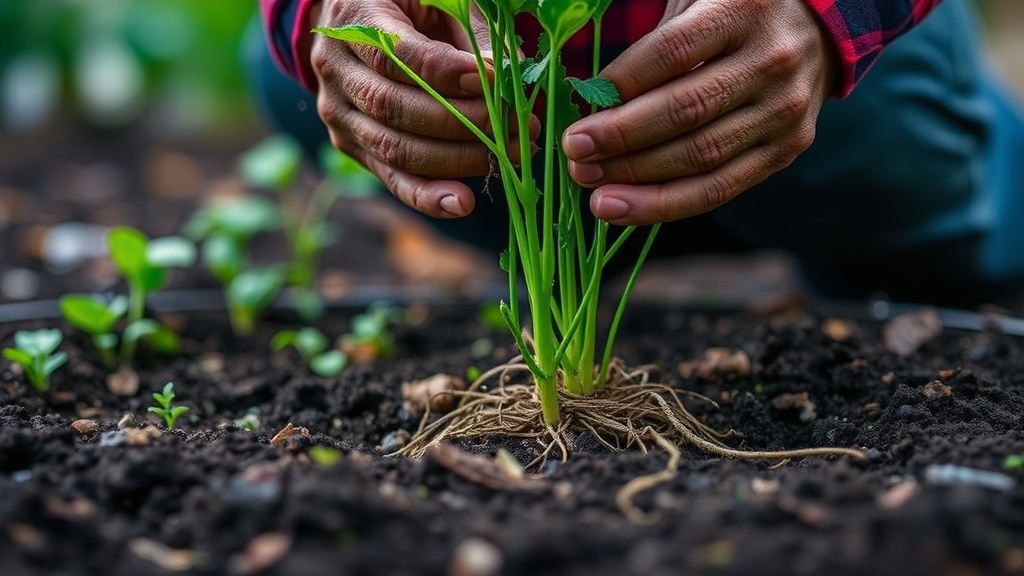
Putting down roots: A practical way to grow your own food in Chatham-Kent

Ever wondered why your neighbor's tomatoes look like they belong in a magazine while yours are struggling to survive the July heat?
This guide covers the mechanics of building a productive backyard garden specifically for the climate and clay-heavy soils we deal with in Chatham-Kent. We aren't just talking about general gardening advice you'd find in a textbook; we're looking at why local timing is everything and how to get the most out of our long, humid growing season without spending a fortune on fancy gadgets. If you've lived here for more than a week, you know our weather is—to put it mildly—unpredictable. One day you're wearing a light jacket in Tecumseh Park, and the next, you're hiding from a thunderstorm that feels like it’s trying to wash away your entire property. Gardening here requires a bit of grit and a lot of understanding of what's happening beneath your feet.
What makes Chatham-Kent soil different?
If you've ever tried to dig a hole in Chatham, you've likely hit that thick, grey-blue muck we call clay. It’s heavy, it’s sticky, and it holds water like a sponge (which isn't always a good thing). While the agricultural land around us is some of the best in the country, the typical residential lot in Wallaceburg or Blenheim has often been compacted by years of construction and lawn-mowing. This means your plants' roots are basically trying to push through a brick. You can’t just ignore this; if you do, your plants will end up with 'wet feet' and rot before they ever see a harvest. The trick isn't to replace the soil—that’s expensive and mostly a waste of time—but to change its texture. You want to add organic matter like compost or aged manure. The