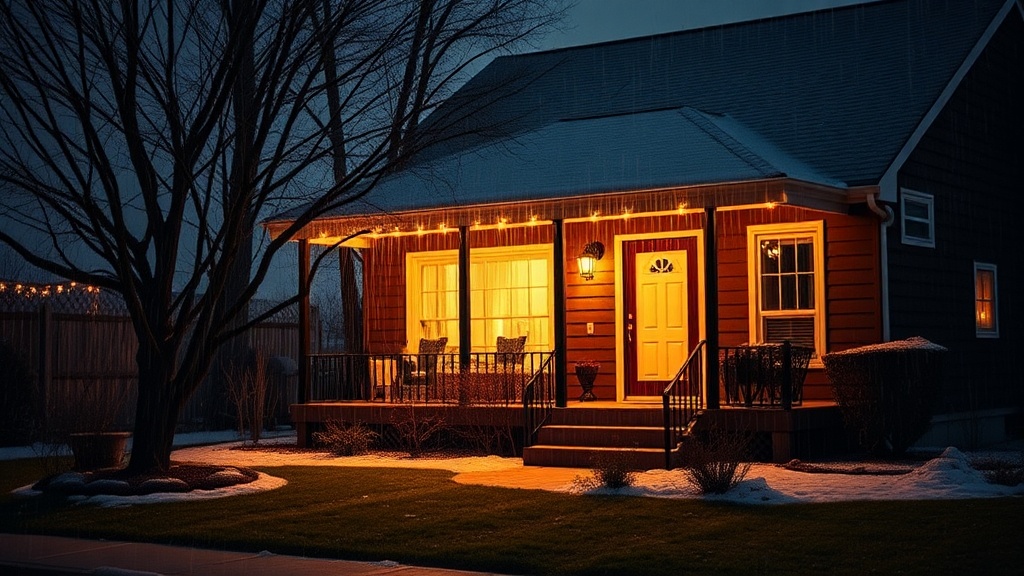
How to Prepare Your Chatham-Kent Home for Severe Weather Season

You wake up at 2 a.m. to the sound of wind rattling your windows and rain hammering against the siding. The Thames River is rising—again—and you remember the basement flooding that cost you thousands three years ago. Or maybe it's January, and the temperature has plummeted to -25°C, and you're praying your pipes don't freeze like your neighbour's did last winter. Living in Chatham-Kent means living with weather that keeps us on our toes, from spring floods along the Thames to ice storms that knock out power across Wallaceburg and Tilbury. This is the reality of homeownership here—and being prepared isn't just smart, it's necessary.
What Are the Biggest Weather Risks for Chatham-Kent Homeowners?
Our municipality sits in a unique geographic position that exposes us to a wide range of severe weather events. The Thames River watershed drains through the heart of Chatham-Kent, making spring flooding a recurring concern for neighborhoods near the riverbanks—particularly in Chatham's low-lying areas and parts of Bothwell. Winter brings its own challenges, with lake-effect snow from Lake Erie and Lake St. Clair burying Wallaceburg and Walpole Island in white while ice accumulation threatens power lines across rural areas.
Summer isn't gentle either. Severe thunderstorms roll across the flat farmland, spawning tornadoes and straight-line winds that can damage roofs from Dresden to Ridgetown. The Municipality of Chatham-Kent's emergency management team regularly issues alerts for everything from heat warnings to flood watches—and knowing how to respond keeps your family safe and your property protected.
How Can I Flood-Proof My Home Before the Thames Rises?
Flooding in Chatham-Kent isn't a matter of if—it's when. The Thames River has flooded significantly in 1937, 1977, and more recently in 2018, when water levels rose dramatically and forced evacuations in low-lying neighborhoods. If you live near the river, McGregor Creek, or any of the municipal drains that crisscross our agricultural space, you need a flood plan.
Start outside your home. Clear debris from gutters, downspouts, and drainage ditches—those leaves from last fall are blocking water flow right when you need it most. The St. Clair Region Conservation Authority provides excellent resources on maintaining private drainage systems and understanding your property's flood risk. Install backwater valves on your sewer lines if you haven't already; many homeowners in Chatham's older neighborhoods have learned this lesson the hard way. These devices prevent sewage from backing up into your basement when municipal systems are overwhelmed.
Inside, move anything valuable out of the basement—especially if you live near Downtown Chatham or along the river corridor. improve your furnace, water heater, and electrical panels if they're in flood-prone areas. Many local contractors specialize in basement flood remediation, and getting an assessment now beats calling them in an emergency. Keep sandbags on hand, and know where to get more—the municipality maintains stockpiles at strategic locations when flood warnings are issued.
What Steps Should I Take to Winterize My Chatham-Kent Property?
Our winters are no joke. When the polar vortex dips down and those Arctic winds sweep across the flat farmland, temperatures can drop dangerously low for days at a time. Frozen pipes, ice dams, and heating failures aren't inconveniences here—they're expensive disasters waiting to happen.
Inspect your home's exterior before the first hard freeze. Caulk around windows and doors, especially in older homes common in Wallaceburg and Dresden. Add weatherstripping where needed. Check your attic insulation—poor insulation leads to ice dams that force water back under your shingles and into your walls. Clean those gutters thoroughly after the leaves fall; clogged gutters overflow and freeze, creating the very ice dams you're trying to prevent.
Your plumbing needs attention too. Disconnect outdoor hoses and shut off exterior water valves. If you have pipes running through unheated spaces—basements, crawl spaces, or garages along Talbot Trail—wrap them with insulation sleeves or heat tape. Know where your main water shutoff is located (and make sure everyone in your household knows too). When temperatures plunge below -20°C, let faucets drip overnight—moving water doesn't freeze as easily. The Government of Ontario's emergency preparedness guidelines recommend keeping your thermostat at a consistent temperature day and night during extreme cold snaps.
Don't forget your heating system. Have your furnace serviced annually by a local HVAC technician—there are excellent companies serving Chatham-Kent from Blenheim to Tilbury. Change your filters monthly during heating season. If you have a wood stove or fireplace (common in rural areas), get your chimney cleaned and inspected by a certified sweep. Creosote buildup causes chimney fires, and you don't want to test Chatham-Kent Fire & Rescue's response time in the middle of a January blizzard.
How Do I Create an Emergency Kit for Chatham-Kent Conditions?
Power outages are a fact of life here. Ice storms, high winds, and the occasional vehicle hitting a transformer pole can leave sections of Chatham-Kent in the dark for hours—or days. Rural properties are particularly vulnerable, and while Entegrus and Hydro One work hard to restore service, you need to be self-sufficient in the meantime.
Build an emergency kit that accounts for our specific challenges. Stockpile at least three days of non-perishable food and water—more if you live in a remote area. Include a manual can opener, battery-powered or hand-crank radio, flashlights, and plenty of batteries. A generator is a worthwhile investment for rural homeowners, but never run it inside your home or garage; carbon monoxide kills silently.
Keep your vehicles fueled during winter storm watches—gas stations can't pump without power, and you might need to evacuate or reach a warming centre. Speaking of which, know where your nearest municipal warming centre is located. The Chatham-Kent Civic Centre, local libraries, and community centres often serve as shelters during extended outages. Have a "go bag" ready with medications, important documents, chargers, and a change of clothes in case you need to leave quickly.
Who Should I Call When Severe Weather Strikes in Chatham-Kent?
Preparation includes knowing your resources. For life-threatening emergencies, always call 911. For downed power lines, contact Entegrus or Hydro One immediately—don't approach the wires. Report flooding to the municipal 311 line or the Chatham-Kent Fire Department if it's severe.
Sign up for CKAlert, the municipality's emergency notification system. You'll receive text messages, phone calls, or emails about severe weather, boil water advisories, and other urgent situations affecting your specific address. Follow the Municipality of Chatham-Kent's social media accounts too—during emergencies, they provide real-time updates on road closures, shelter openings, and recovery efforts.
Get to know your neighbors, especially if you're new to the area. In rural Chatham-Kent, neighbors check on each other during storms. Exchange contact information and create a phone tree for your street or rural concession. When the ice piles up and the plows haven't reached your road yet, that neighbor with the tractor might be your lifeline.
Severe weather is part of the package when you call Chatham-Kent home. The river rises, the snow falls, and the wind howls across the fields—but we manage. We've rebuilt after floods, restored power after ice storms, and helped neighbors dig out from blizzards for generations. Take these steps now, before the next storm watch appears on your phone. Your future self—standing dry in a warm house while the weather does its worst outside—will thank you.